Jewelry is personal: it sits close, reflects someone’s taste, and may become part of a familiar routine. That is precisely why choosing a present can feel wonderfully meaningful—and a little uncertain. When you are weighing jewelry gift cards against a piece selected by you, the best answer is not a rule about which gift is more thoughtful. It is a question of what the recipient will enjoy: a surprise chosen with care, or the freedom to find exactly the right thing.
Think about how well you know their style, how much choice they like, and whether fit or timing matters. A gift card can be a considered invitation rather than a fallback; a piece of jewelry can be a lovely expression of attention rather than a risky guess. Here is how to make the choice feel generous either way.
Start with the recipient, not the format
Before browsing, recall what the person actually wears. Do they reach for small gold hoops every morning, a colorful necklace with a simple shirt, or almost no jewelry at all? Look for repeated preferences rather than a single outfit: metal color, scale, favorite motifs, whether pieces are delicate or sculptural, and how often they wear accessories. Those clues are more useful than guessing what you would choose for yourself.
Consider their relationship with shopping, too. Some people love trying on options and imagining how a new piece will work with the rest of their wardrobe. Others would rather open a finished gift and wear it that evening. A recipient who enjoys browsing may appreciate jewelry gift cards as permission to choose on their own terms. Jewelry gift cards are especially apt when choosing is part of the pleasure for them. Someone who values surprise may prefer a piece that shows you noticed their taste. Neither preference is more discerning; the gift simply works best when it suits the person receiving it.
When you are unsure, ask yourself three small questions:
- Can I describe two or three pieces they already wear often?
- Do I know whether they prefer gold-tone, silver-tone, color, or a mix?
- Would they find choosing for themselves fun, or would it feel like another task?
If you can answer the first two confidently and know they welcome a surprise, a selected piece may feel especially personal. If your answers are hazy—or the recipient has a strong, particular eye—jewelry gift cards can respect their point of view. You are not giving up on thoughtfulness; you are choosing not to pretend certainty where you do not have it.
Choose a piece when a detail makes it theirs
A selected piece feels thoughtful when it connects to something recognizable: a color they wear, a motif they love, a milestone, or a silhouette that already suits their habits. The gift need not be grand. A small pendant in a familiar shape can feel more personal than a dramatic statement piece chosen only because it made an impression in the display.
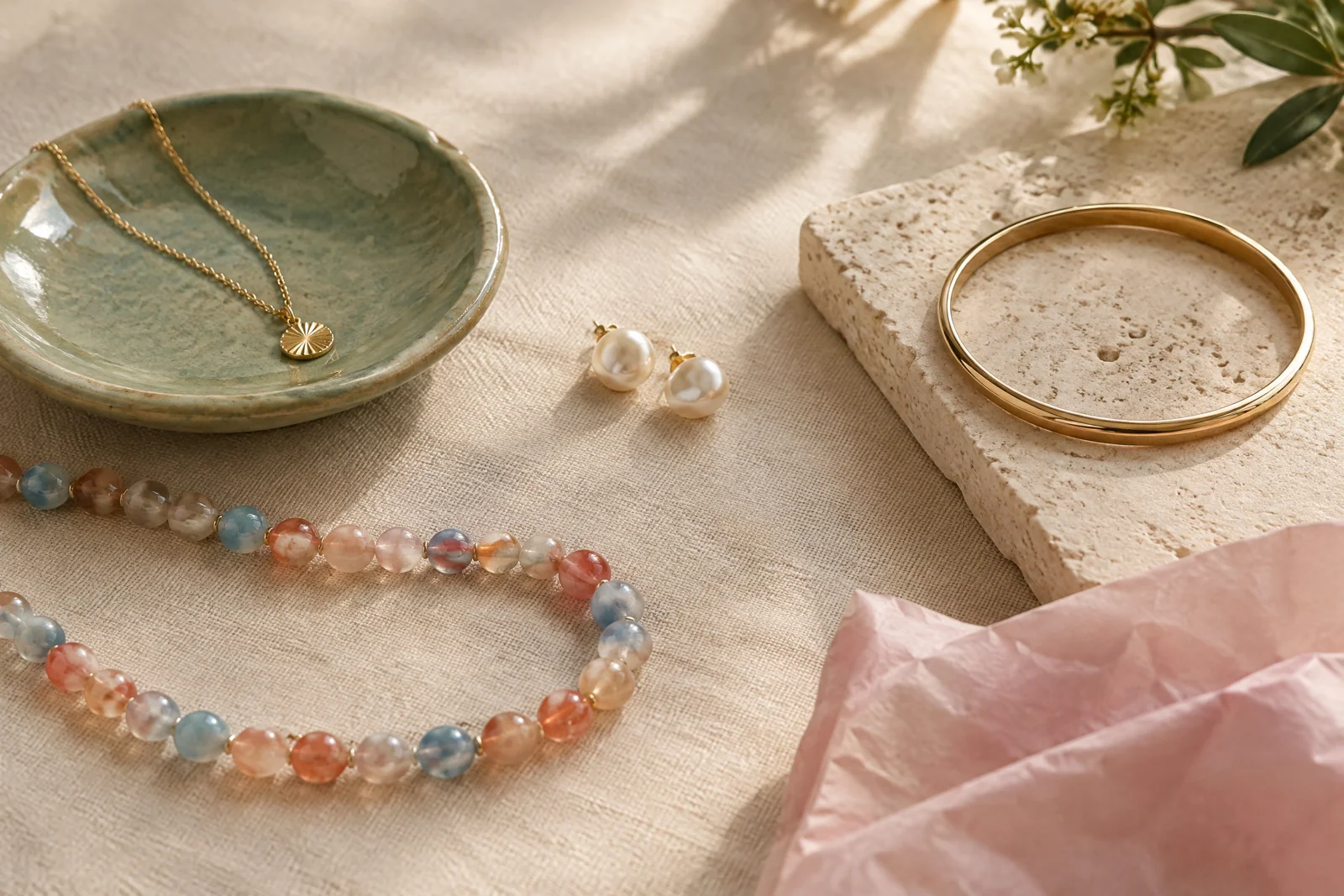
Use what you know as a filter. If they favor clean, unfussy outfits, consider a simple shape and a scale that will not compete with their usual look. If they often wear saturated color, a beaded or enamel accent could feel natural rather than adventurous. For someone whose wardrobe changes from day to day, a versatile piece may be more useful than an item that only works for a special occasion. You can explore different silhouettes in the necklace collection or compare finishing touches in the earring collection without assuming that one category suits everyone.
Pay attention to practical details before deciding. For earrings, think about whether you have seen them wear earrings at all; do not assume pierced ears or comfort preferences. With necklaces and bracelets, a length or fit can be difficult to guess, especially if you cannot compare it with something they own. Ring sizing is even less forgiving. If the choice depends on a measurement, an adjustable feature, or a very specific fit that you cannot confirm, jewelry gift cards may spare both of you an avoidable mismatch.
Materials and finish deserve a careful read as well. Product descriptions can distinguish, for instance, a gold-plated component from a gold-fill chain; those terms do not mean the same thing. If the recipient has preferences about materials, check the details on the individual piece rather than relying on a broad impression such as “gold jewelry.” A concise note about why the particular color, motif, or shape reminded you of them completes the gift without making claims about how it was made or how it will wear.
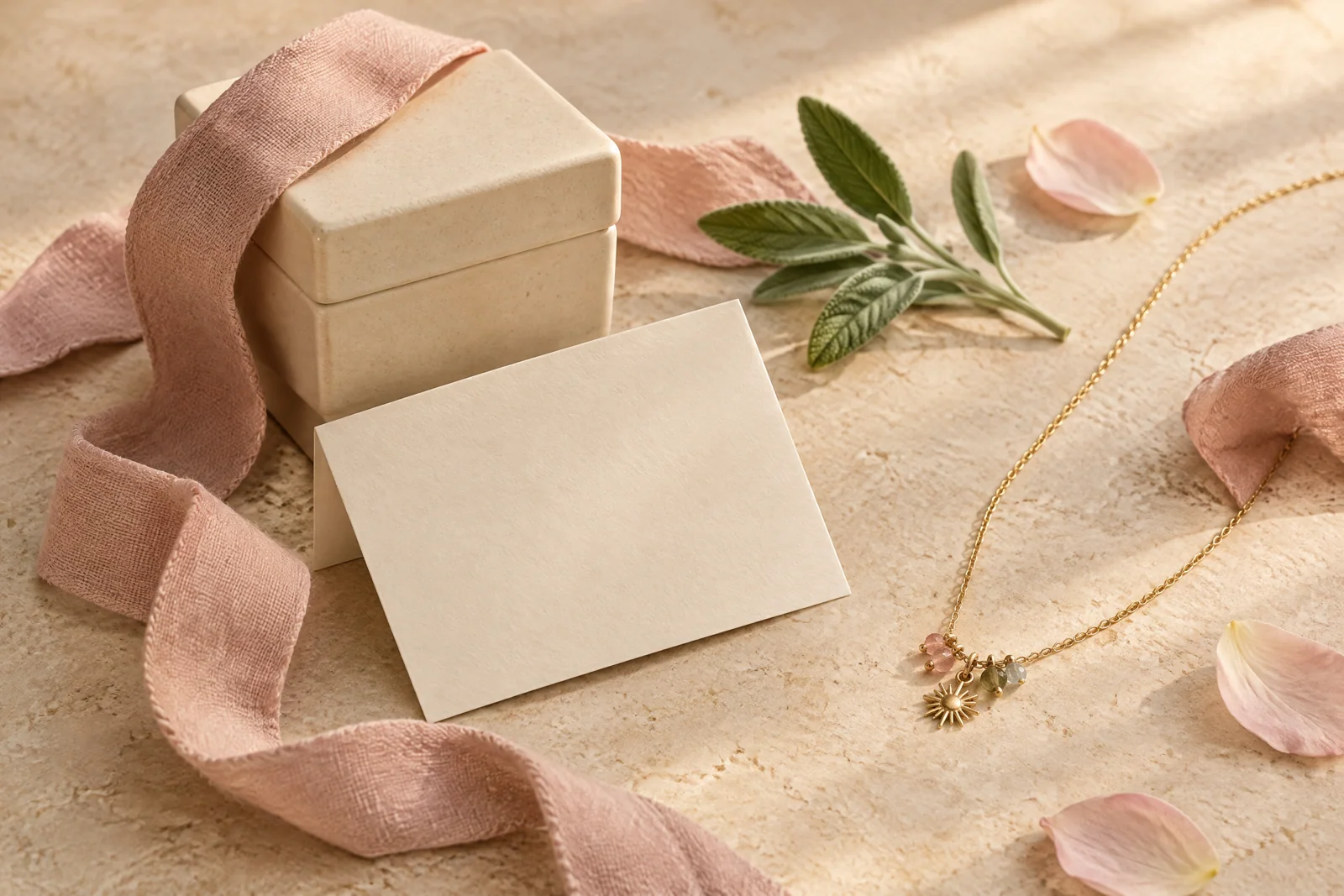
One example of a modest, motif-led option in the catalog is Mini Sun: its description identifies a small sun charm made from 18k gold-plated stainless steel on a 14k gold-fill chain, with an approximately 40 cm chain. That specific information is useful only if the recipient likes the motif and the proportions suit them; it is not a universal recommendation. The point is to use real details to make a choice, then let your knowledge of the person do the deciding.
For a gift you select yourself, write a short card that names the connection: “I chose this because you always wear warm colors,” or “The little sun made me think of your bright mornings.” A sentence like that turns selection into context. It also lets the recipient understand that the piece was chosen for them, even if it is not exactly what they would have picked on their own.
Give a gift card with a personal point of view
Jewelry gift cards become more personal when you frame them as a specific invitation. Rather than handing over an envelope with no explanation, say what you hope they will enjoy: “Choose a piece for your next celebration,” “Find something in the color you have been wearing lately,” or “I wanted you to pick the necklace length you like best.” This wording makes the freedom itself feel intentional.
Jewelry gift cards can be particularly thoughtful when the recipient has a distinctive style, already owns many pieces, or likes choosing accessories to suit a particular outfit. They can also be a sensible fit when a deadline is close, you do not know a size, or you would rather not guess at a material preference. A flexible gift avoids presenting the person with a piece they feel obliged to wear simply because you chose it.
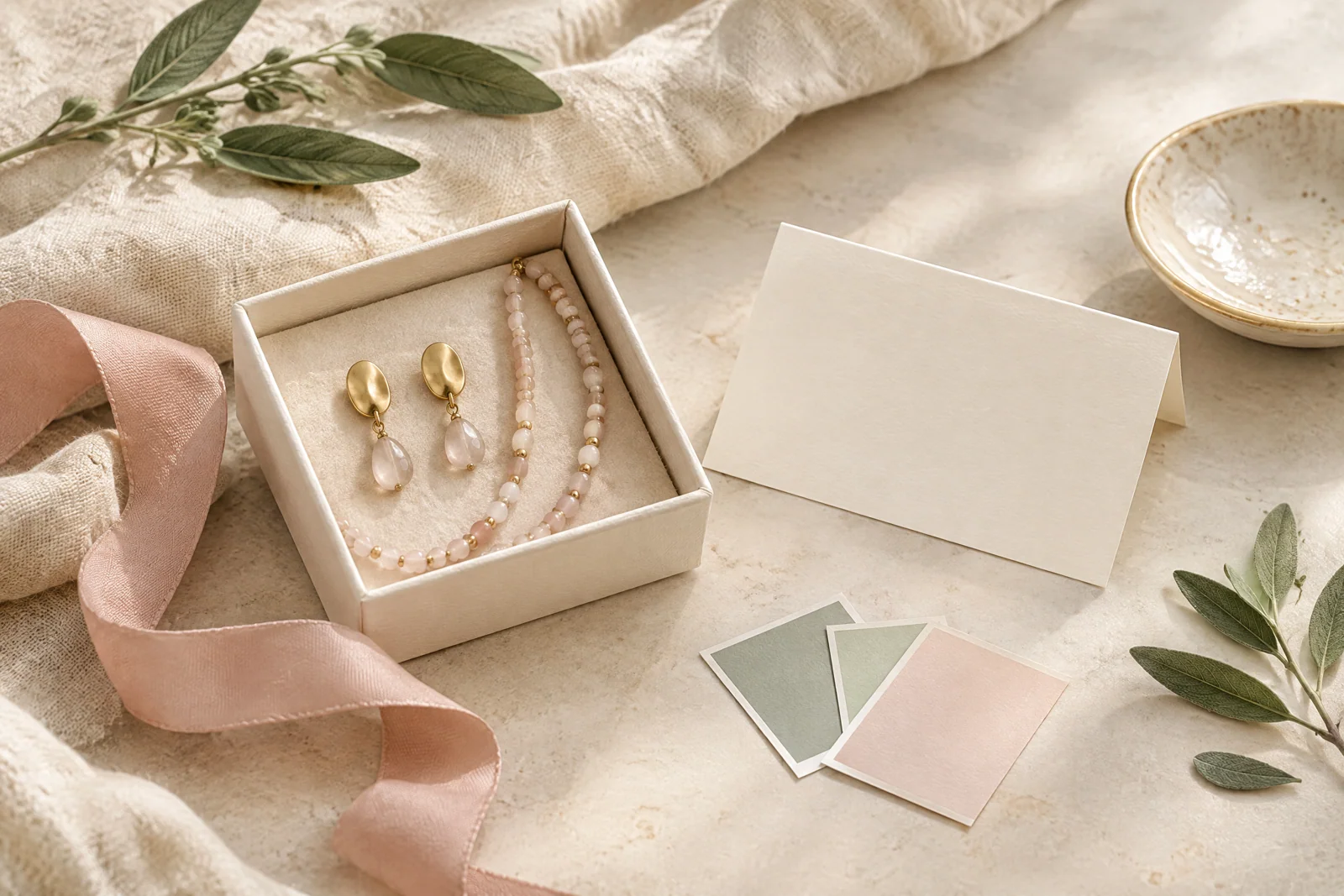
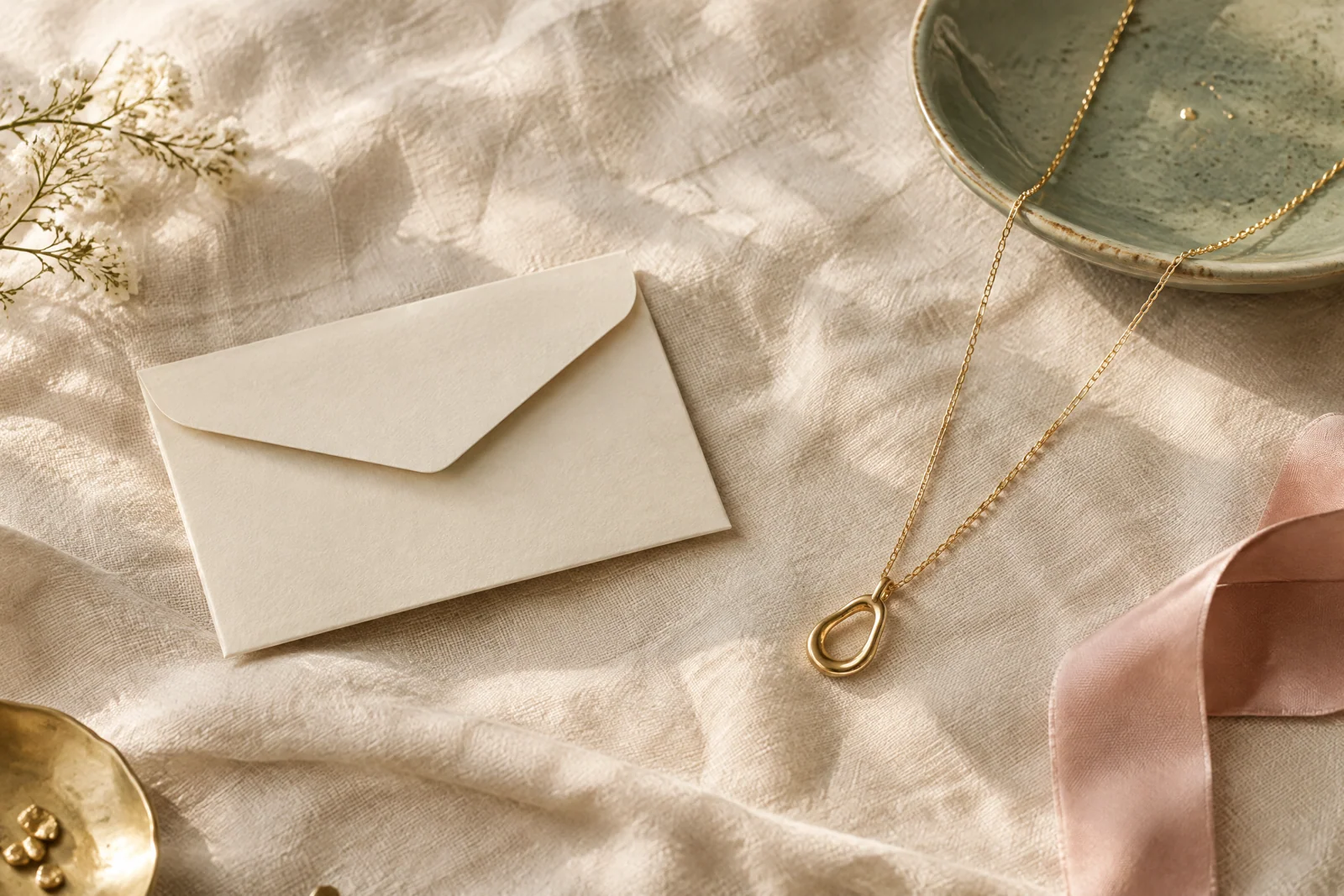
Make the moment feel complete. Present jewelry gift cards in a note or small envelope, with a handwritten memory or a clue about what inspired the idea. A few warm lines make the choice feel personal without requiring another purchase.
Before giving jewelry gift cards, confirm the amount, redemption terms, where they can be used, and any expiration details from the actual seller. Do not assume that every retailer uses the same rules, that a card can be combined with another offer, or that its balance covers a particular item. For any retailer, read the issuer’s current written terms carefully; if something is unclear, contact the shop directly rather than guessing.
Some people worry that jewelry gift cards seem less romantic than a wrapped box. Make your intention visible: tell the recipient you wanted them to choose the piece they will reach for. You can offer to browse together, while making clear that choosing alone is equally fine.
Keep jewelry gift cards free of pressure: the recipient should not have to report back with a particular choice or spend more than they want. Let them enjoy the gesture in their own way.
Make the decision with a simple decision check
When both options still seem possible, picture the recipient opening each one. Would their face light up at a carefully chosen piece because it reflects an in-joke, favorite color, or familiar shape? Or would they be more delighted by the prospect of choosing a piece themselves? Try to imagine their response, rather than the reaction you hope your gift will earn. The more the answer depends on their preferences, the more useful that thought experiment becomes.
Use this quick guide as a final check:
- Choose the jewelry when you know their style, the piece is easy to wear, and you can confidently handle details such as size or length.
- Choose jewelry gift cards when they enjoy personal choice, have precise preferences, or a fit or material question would otherwise be a guess.
- Pause and learn a little more when you do not know whether they wear jewelry or what materials they prefer. A gentle question may help more than either assumption.
You can also pair jewelry gift cards with a thoughtful note naming the kind of piece you imagined, while leaving the final selection entirely theirs. Or, if you choose an item, include a note explaining the detail that led you to it and keep your tone light: the meaning is in the attention, not in insisting that they wear it.
For a milestone, think beyond the occasion. A graduation, birthday, new job, or anniversary can inspire a motif, but the piece still needs to feel like their style. If you cannot picture them wearing it often, jewelry gift cards offer flexibility; repeated admiration for a particular color or shape, on the other hand, can point you toward a meaningful selection.
For product-specific information or current availability, check the individual listing or contact the Duddingtons team. Confirm details before ordering.
In the end, jewelry gift cards and chosen jewelry are simply two ways to say, “I thought of you.” Choose the piece when a real detail makes it feel unmistakably theirs. Choose jewelry gift cards when freedom, fit, or personal taste matters more than surprise. Either can feel warm, polished, and genuinely thoughtful when the message behind it is clear.
Jewelry gift cards can suit someone who prefers choosing their own design.
Related reading
Continue planning a personal present with 10 Thoughtful Jewelry Gift Ideas for Different Personalities, How to Choose Jewelry for Someone Else, and A Guide to Meaningful Birthday Jewelry Gifts.